




Pickleball is often celebrated for its accessibility, and while anyone can play the game, the rapid lateral movements and repetitive overhead motions can place significant stress on the musculoskeletal system.
As the sport continues to grow, so does the clinical frequency of court-related injuries. However, by implementing a proactive approach to safety and biomechanics, most of these risks can be mitigated.
Here are five essential strategies to ensure your longevity on the court.
1. Prioritize pickleball-specific footwear
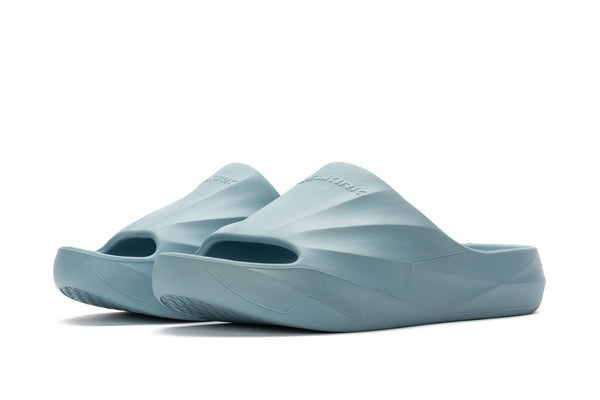
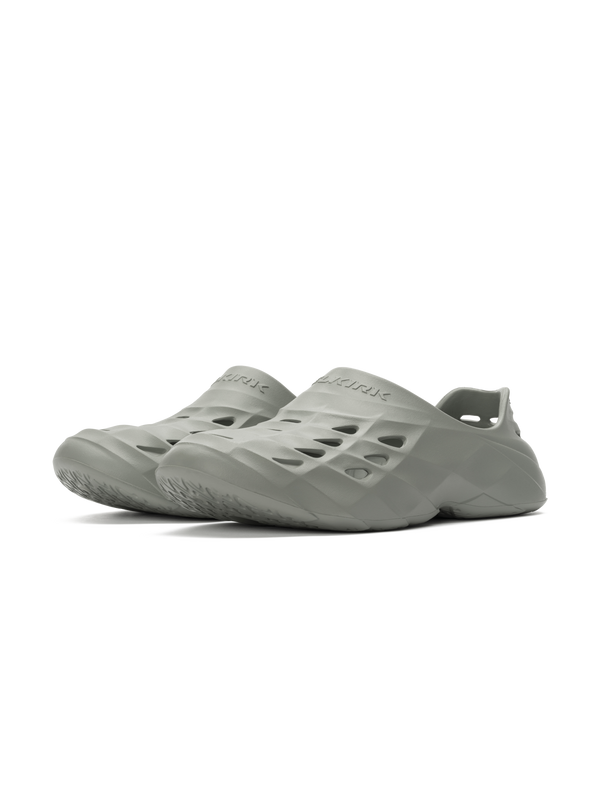
The most critical piece of equipment for injury prevention is not your paddle, but your shoes. Many players mistakenly wear running shoes, which are engineered for linear, forward motion.
In pickleball, these shoes pose a significant risk for ankle sprains and Achilles tears because they lack the necessary sidewall stability.
Court shoes are designed with a lower profile and a wider outsole to support the frequent pivots and lateral shuffles required in a match. They provide the lateral support needed to keep the ankle stable during sudden changes in direction.
2. Implement a dynamic warm-up routine
Static stretching — or holding a muscle in a lengthened position — is often counterproductive when performed on cold muscles. To prepare the body for the demands of the game, a dynamic warm-up is your best bet.
Dynamic warmups increase blood flow and improve the elasticity of connective tissues. Effective movements include:
-
Lateral lunges: To prime the hip adductors and glutes.
-
Torso rotations: To prepare the spine for the twisting required in groundstrokes.
-
Arm circles: To warm up your shoulders.
-
High knees and butt kicks: To elevate the heart rate and activate the lower extremities.
3. Focus on technique
Poor mechanics are a primary driver of chronic overuse injuries. By refining your technique, you can distribute force through larger muscle groups rather than straining smaller, more vulnerable joints.
-
Pickleball elbow: Avoid "flicking" the wrist or using too much forearm motion. Instead, engage the shoulder and core to drive the ball, maintaining a firm but relaxed grip.
-
Knee health: When reaching for low dinks, avoid bending at the waist. Instead, utilize a squatting stance, keeping the weight in your heels to allow the glutes and quadriceps to absorb the impact rather than your knees.
4. Avoid backpedaling for lobs
One of the most dangerous movements on a pickleball court is backpedaling. Retreating straight backward while looking upward often leads to a loss of balance, resulting in falls and potential head or wrist injuries.
When an opponent hits a lob over your head, utilize the drop step or a side shuffle. Turn your body sideways and run toward the baseline. This allows you to maintain spatial awareness and balance, ensuring you can return the shot safely without the risk of falling backward.
5. Master the split step
The split step is a fundamental footwork maneuver that serves as a primary defense against acute strains. By performing a small, neutral hop just as your opponent makes contact with the ball, you land on the balls of your feet in a balanced, athletic stance.
This technique prevents you from being caught flat-footed or leaning too far in one direction. From your neutral position, you can react to the ball with controlled, intentional movements rather than desperate lunges that often lead to muscle tears or ligament damage.